The Most Important Skill for a Product Designer in Startups Isn’t Design
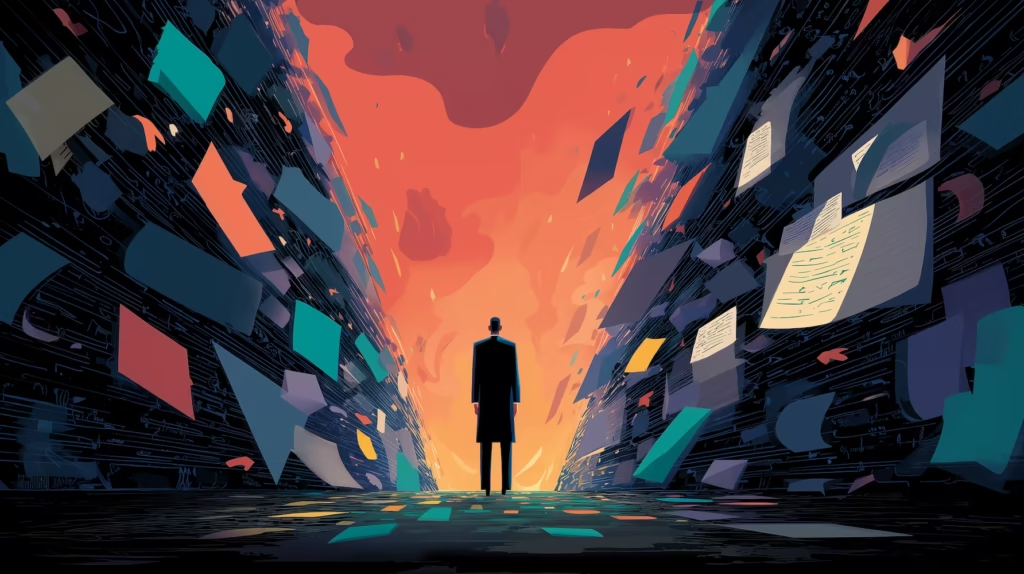
After 8 years in early-stage startups, the most valuable designer isn’t the one with the best portfolio. It’s the one who fills the gaps nobody else sees.
Realismo Mágico: A Cultural Platform That Failed Because of Me, Not the Product
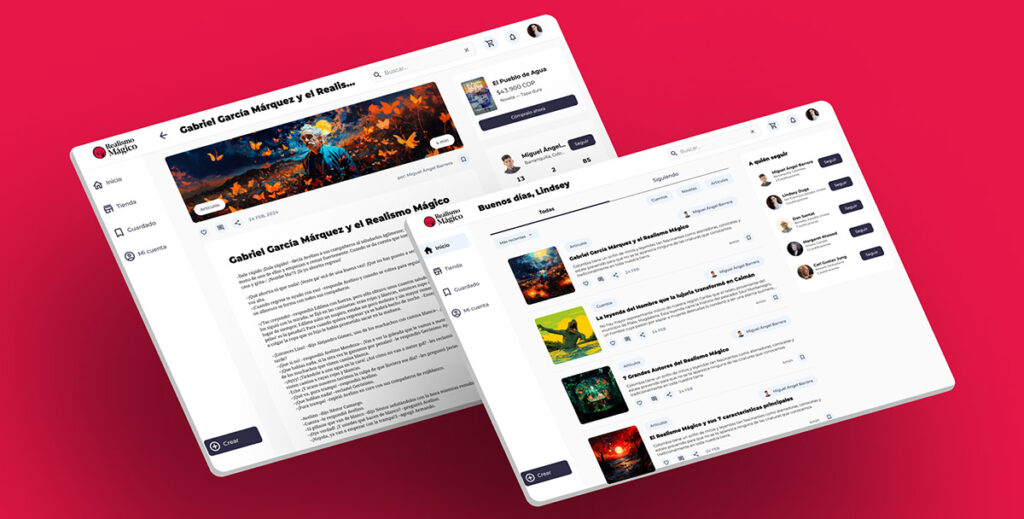
Two award-winning books. Four website versions. Zero distribution. A case study on building a Colombian cultural platform and learning that great design is not enough.
Customela: Building a Legal Contract Platform From Zero to Standalone SaaS
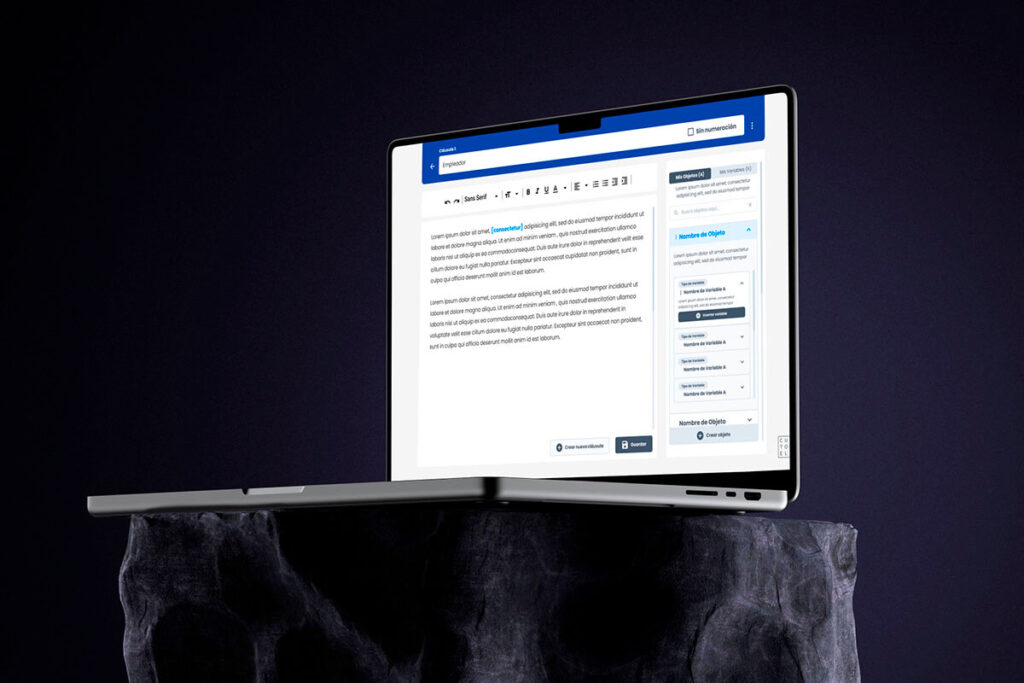
From 48 Figma screens designed in isolation to a legal SaaS that cut contract errors by 70%. A case study on scope negotiation, dev communication, and shipping.
Keller Offers: Rescuing a Stalled iBuyer Platform for Real Estate Agents
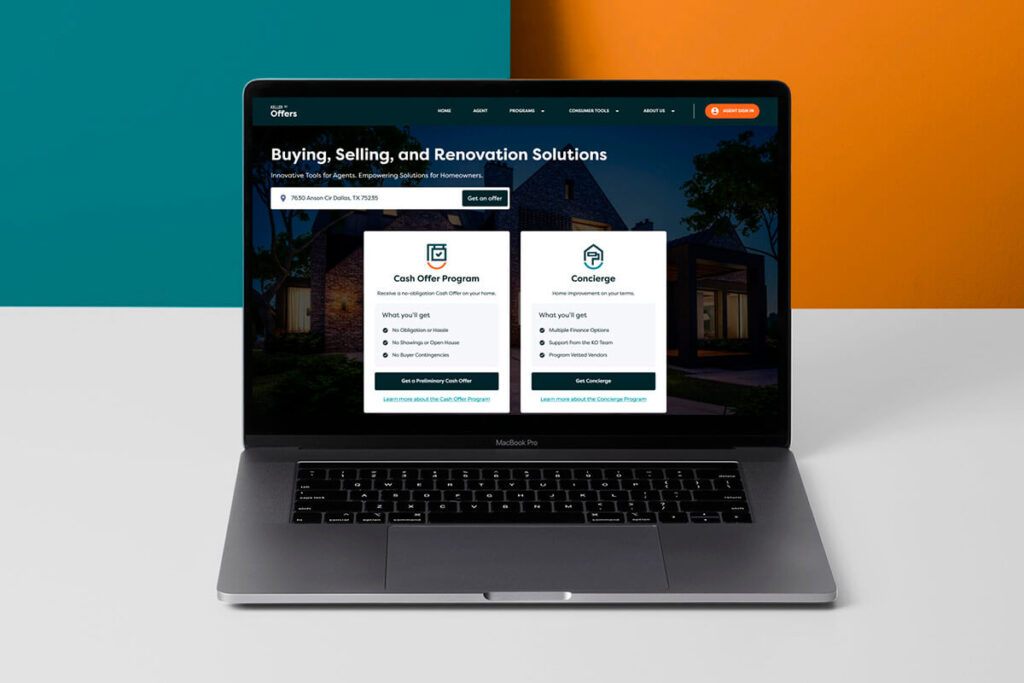
How I rescued a stalled iBuyer platform for Keller Williams, designed 64 screens in Figma, and learned what happens when vertical communication breaks down.
Can you trust your gut while building Product?

In product design, your “gut” is actually a high-speed pattern-recognition engine that synthesizes past experiences to identify opportunities before they appear in formal metrics . While data-driven decisions are vital for optimizing existing flows, data is inherently backward-looking; radical innovation often requires leading with “product sense” to act ahead of the evidence. However, unvetted instinct is highly vulnerable to confirmation bias, which can lead designers to cherry-pick data that supports their favorite features . The most effective approach is a blended loop: use intuition to form bold hypotheses in new territories, but use empirical research and A/B testing to validate those bets before you scale .
Building in the Dark Before Product-Market Fit

Roadmaps, user stories, and design systems don’t work pre-PMF. What works: short cycles, design debt on purpose, and talking to users more than you design.
How AI Has Actually Changed My Daily Work as a Product Designer

4 Claude agents, vibe coding MVPs, and CRM automation. How one product designer in a 35-person startup uses AI daily without the hype.