
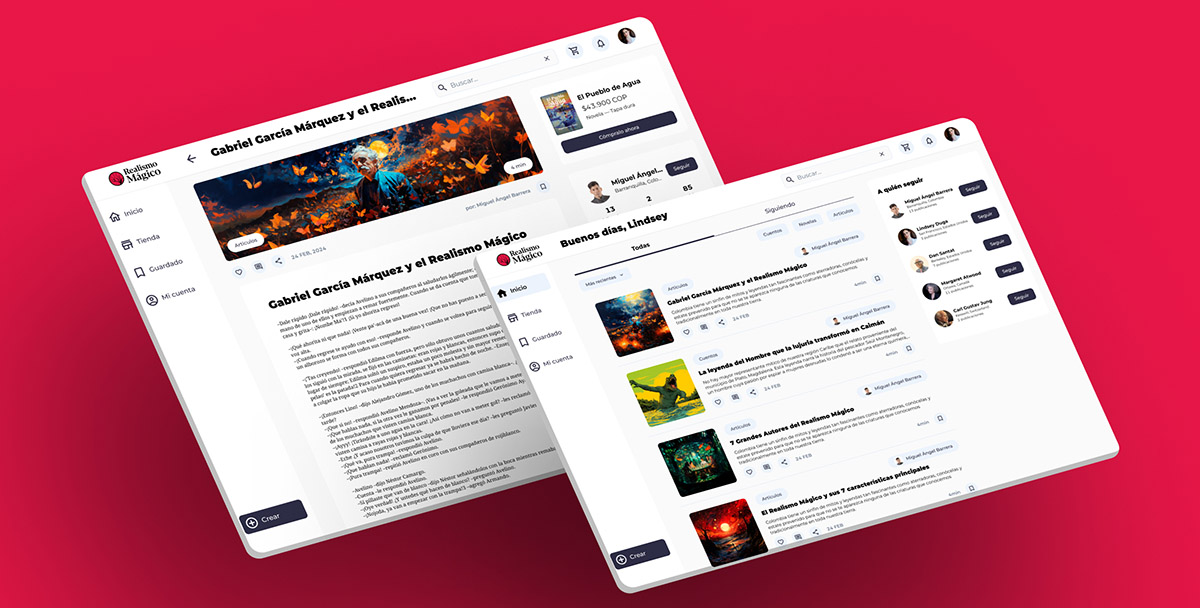
Two award-winning books. Four versions of the website. 11 published stories. Practically zero revenue. The product was never the problem. The distribution was. And the distribution didn’t happen because I was afraid to be seen.
Context
The vision was always bigger than a blog or a bookstore. Realismo Mágico was meant to be a cultural brand from the Colombian Caribbean: digital stories that brought readers inside the narrative through interaction, paired with physical products (books, vinyl figures, board games, wearables) that carried Colombian identity into the real world. Think of it as a portal where stories become objects and objects carry stories.
Barranquilla, my hometown and the birthplace of Gabriel García Márquez, was always the epicenter. Not just for the romantic symbolism, but because it offered a unique combination: a deep creative talent pool, lower operational costs than Bogotá or the U.S., and a cultural identity strong enough to anchor an entire brand.
The Books
El Pueblo de Agua (2018)
A novel set in a magical stilt village in the Ciénaga Grande de Santa Marta, where houses connect by canoes and the history of armed violence in Colombia seeps into daily life. It won a grant through the Portafolio de Estímulos Distrital in Barranquilla. 500 hardcover copies printed with UV finishing. Approximately 18 sold: 11 through Librería Nacional, 6 through social media, and 1 through the website.
Aventuras Reales y otros cuentos (2020)
A collection of short stories, also set in the Colombian Caribbean, experimenting with different narrative styles. Also won through the Portafolio de Estímulos. The grant was for digital publication, but I spent the money on 100 physical hardcover copies because I wanted the book to exist in the real world. I later gave away 150 copies in a giveaway, paying for shipping out of pocket.
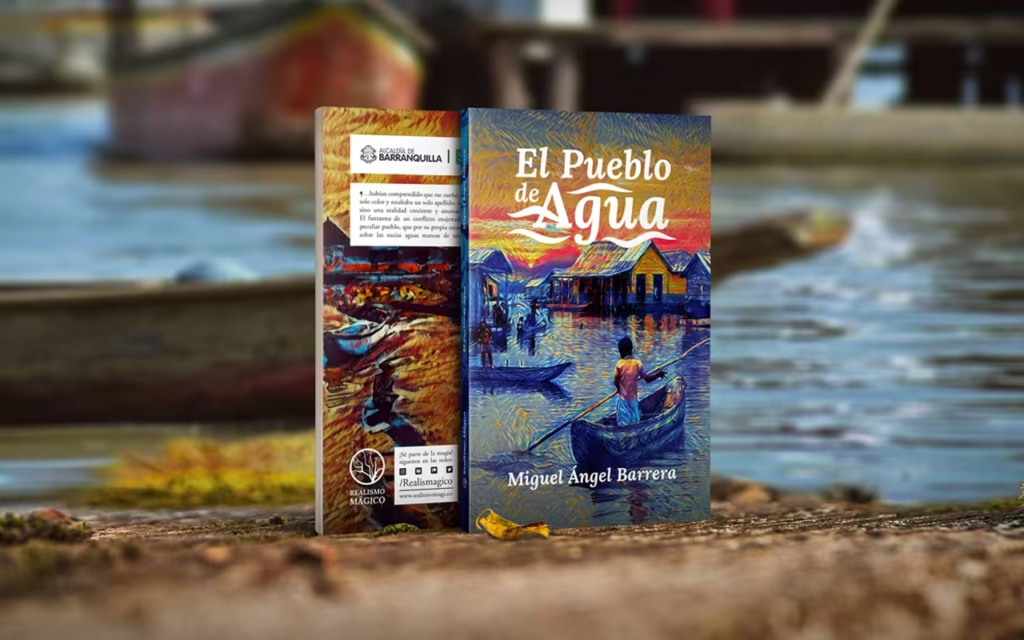
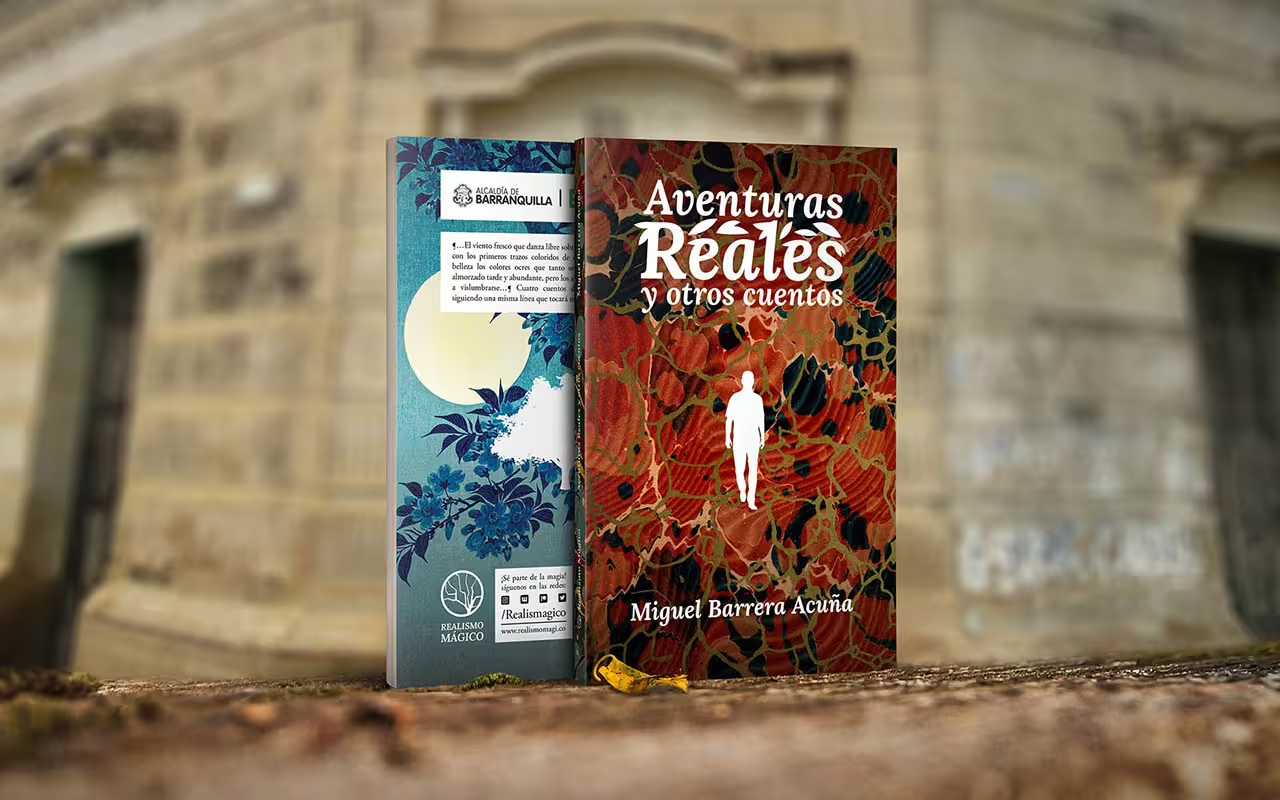
Two books. Both award-winning. Practically zero sales. Not because the books were bad. Because nobody knew they existed.
Four Versions of the Same Fear
The website has been rebuilt four times. Each version was better designed than the last. None of them worked. Not because of the design.
| VERSION | YEAR | FOCUS | RESULT |
| v1 | 2018 | Sell El Pueblo de Agua. No content. | No traction. No distribution. |
| v2 | 2020 | Sell Aventuras Reales. No content. | Same result. Same reason. |
| v3 | Early 2024 | Community marketplace. Other authors could publish and sell. | Failed. Only 2 writers joined. Cancelled. |
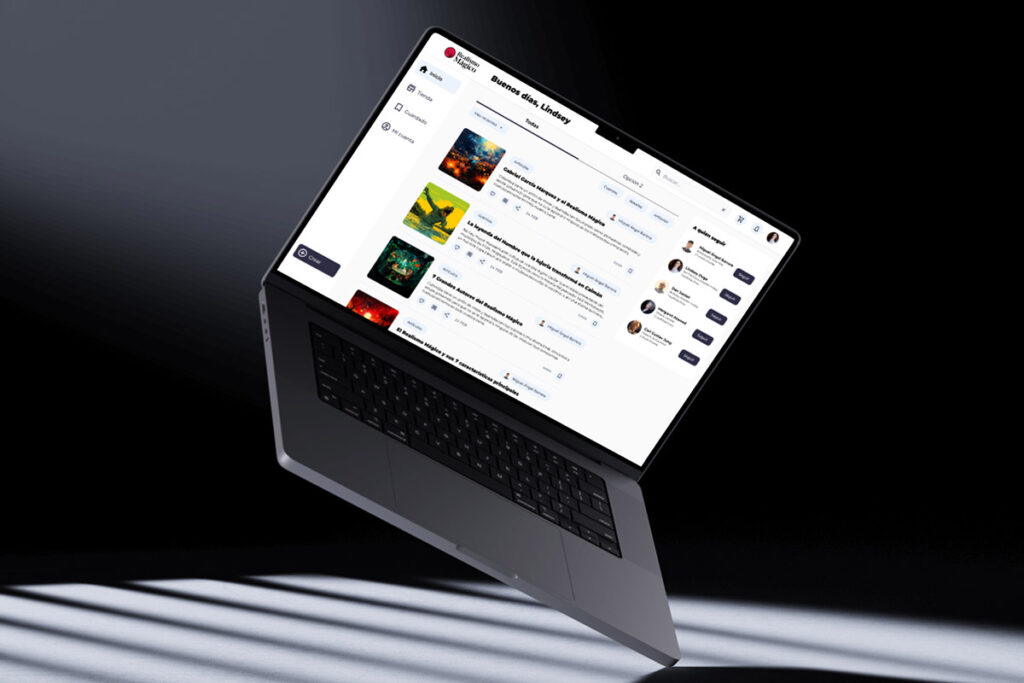
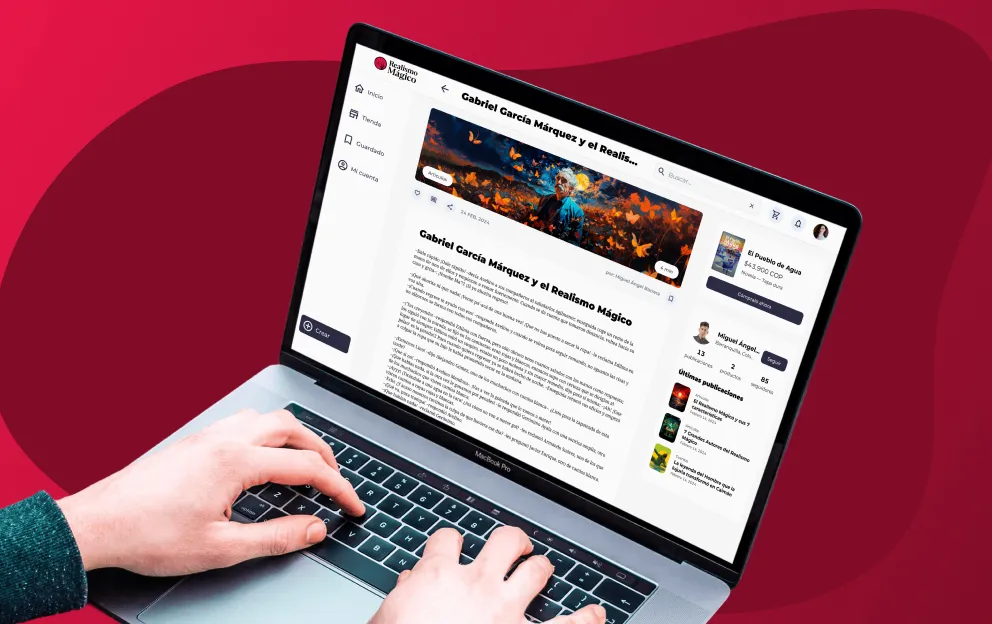
| v4 | Late 2024 | Personal e-magazine. Only Miguel’s stories. Redesigned in Figma. | Live. 11 stories. Last post: Feb 2025. Paused. |
The pattern is visible from the outside. Better design each time. Better technology each time. Same outcome each time. Because the bottleneck was never the product. It was distribution. And distribution requires doing the one thing I was afraid of: putting myself out there.
The Process
Despite the project’s honest outcome, the design work across these four versions represents real growth in my craft. Each rebuild was more sophisticated than the last.
1. Competitive Analysis
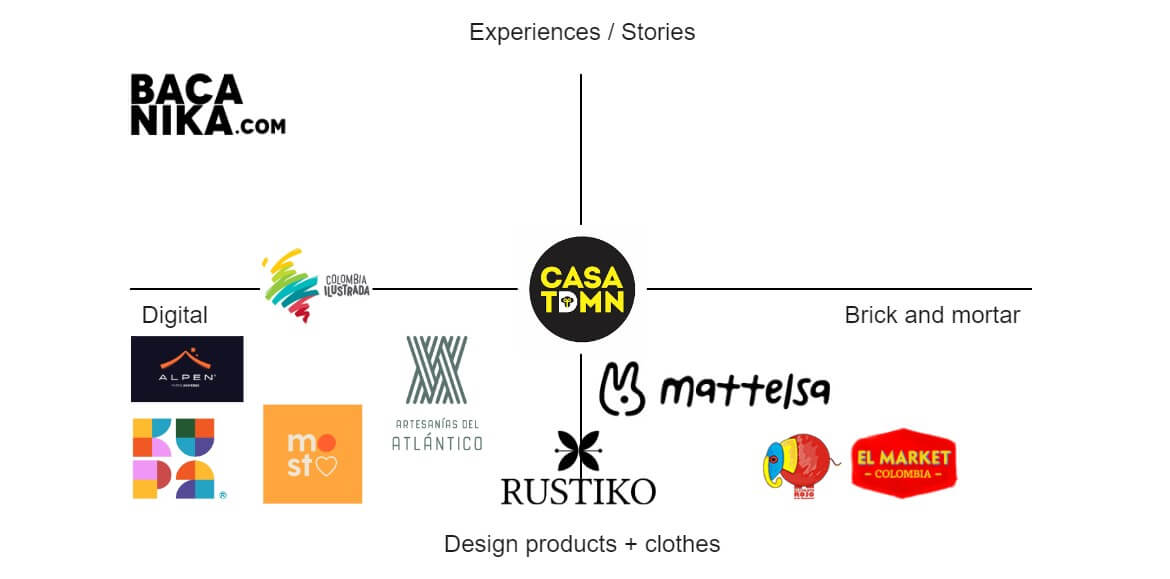
I mapped the competitive landscape early. Wattpad offered community but no direct monetization for authors. MercadoLibre offered sales but killed discoverability for unknown creators. Physical bookstores took up to 40% commission with limited shelf life. The gap was clear: a platform that combined discovery, community, and fair economics for independent authors in Latin America. The planned model offered a 10% transaction fee, drastically undercutting the 40% industry standard.
2. User Personas
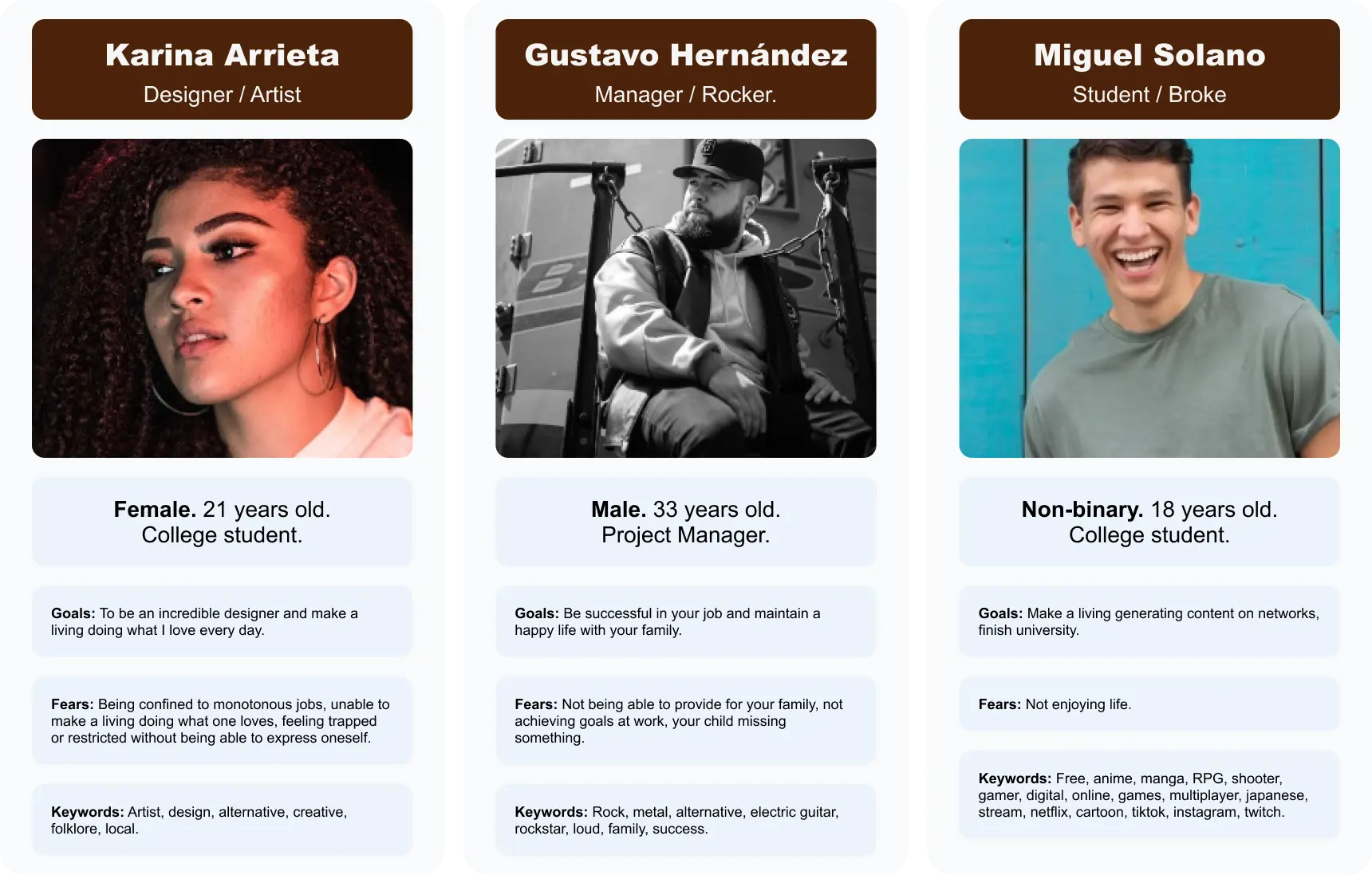
Three personas guided the design: the Modern Cultural Explorer (25-45 years old, interested in world cultures and unique experiences), the Design-Conscious Collector (30-55, seeking objects with meaning and story), and the Proud Colombian Abroad (all ages, wanting to connect with their roots through culture, not just nostalgia). What they shared was a desire for identity-driven content where design and narrative were inseparable.
3. Information Architecture
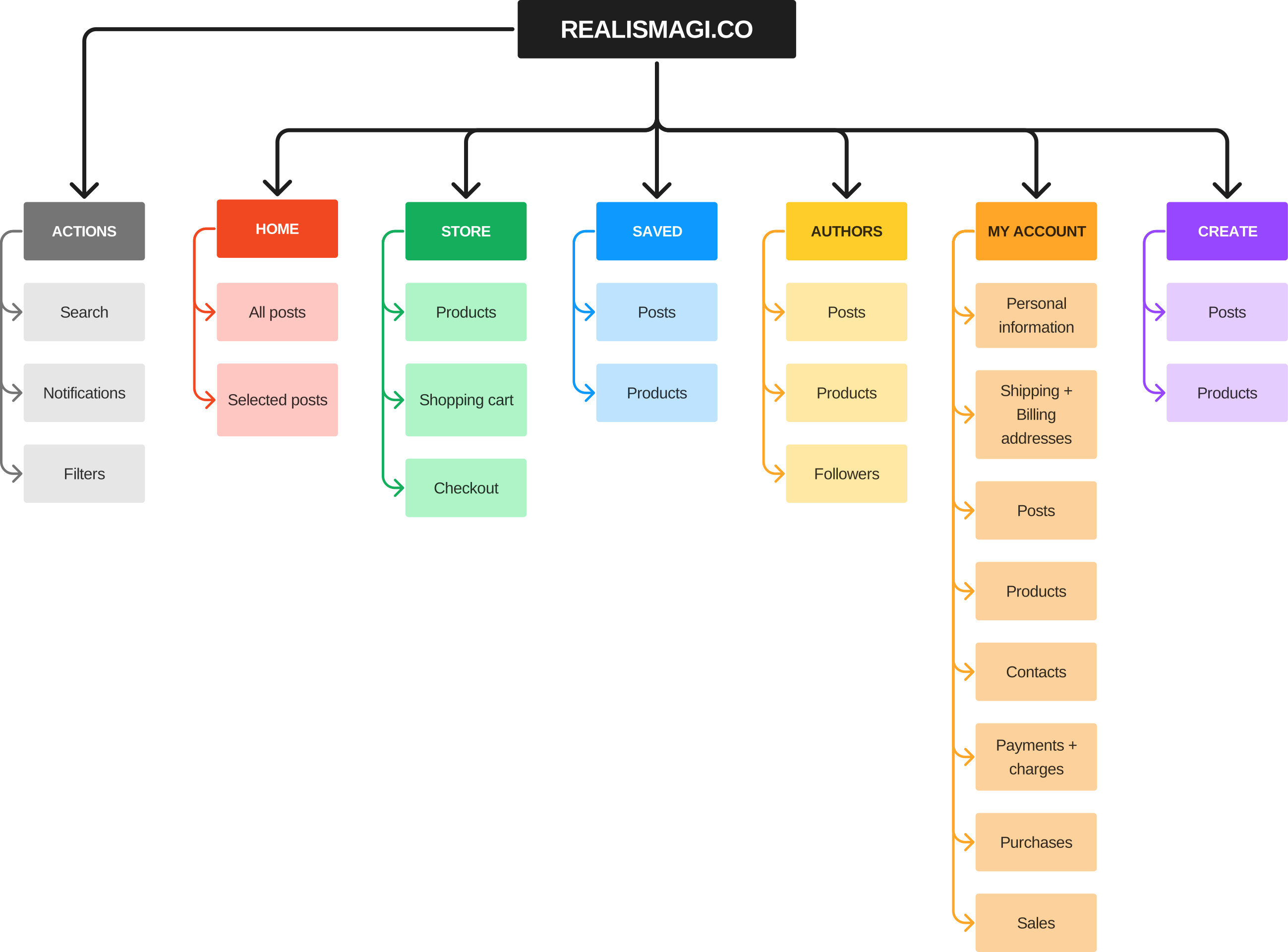
The architecture evolved with each version. By v4, the site was organized around content-first navigation: Home and Stories, with a search function. The strategy was to use individual posts (stories, illustrations, interactive narratives) as SEO entry points that would turn casual readers into recurring visitors, then into customers when the e-commerce layer launched.
The planned content-to-commerce loop: free stories build audience and SEO, interactive stories (hover audio, branching paths, multiple endings) drive engagement, paid membership unlocks interactive versions, and physical products (books, games, figures) convert engaged readers into buyers.
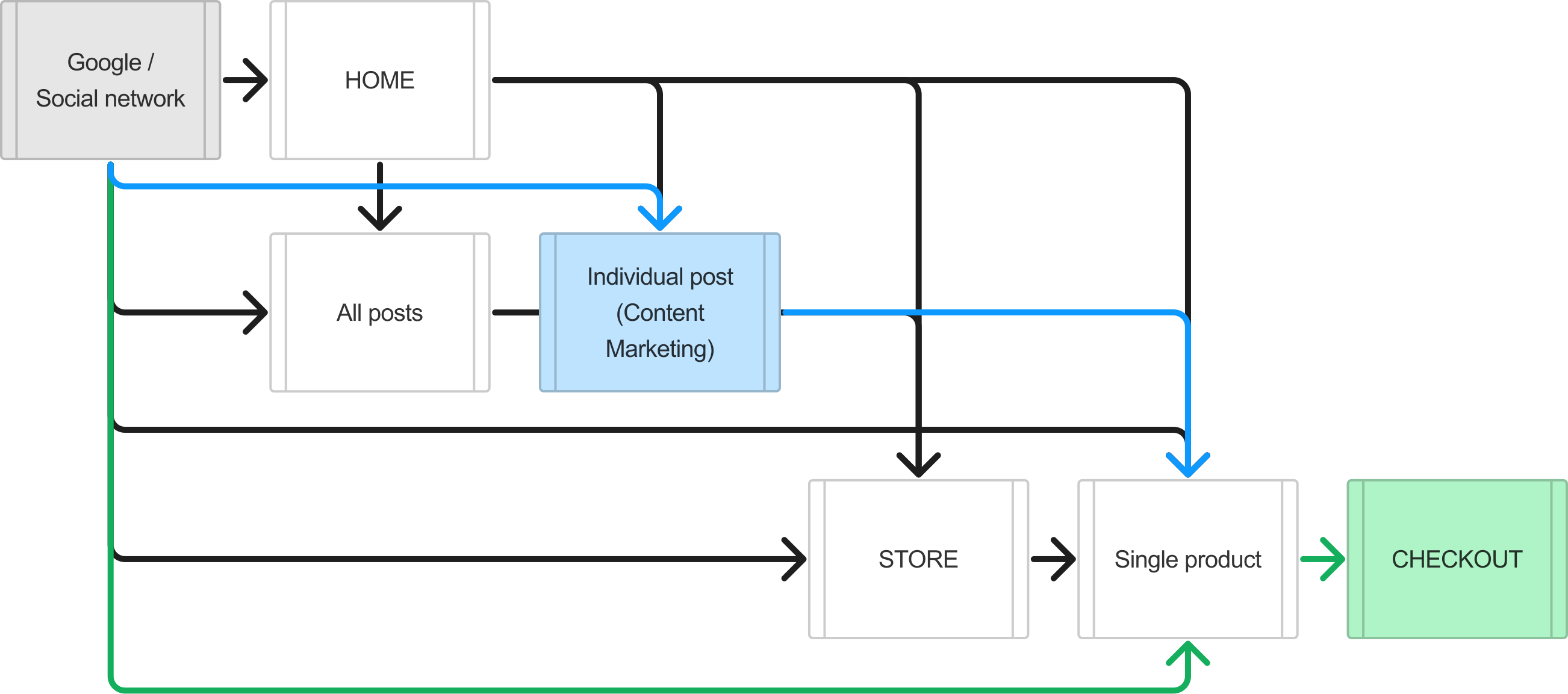
4. User Journey Mapping
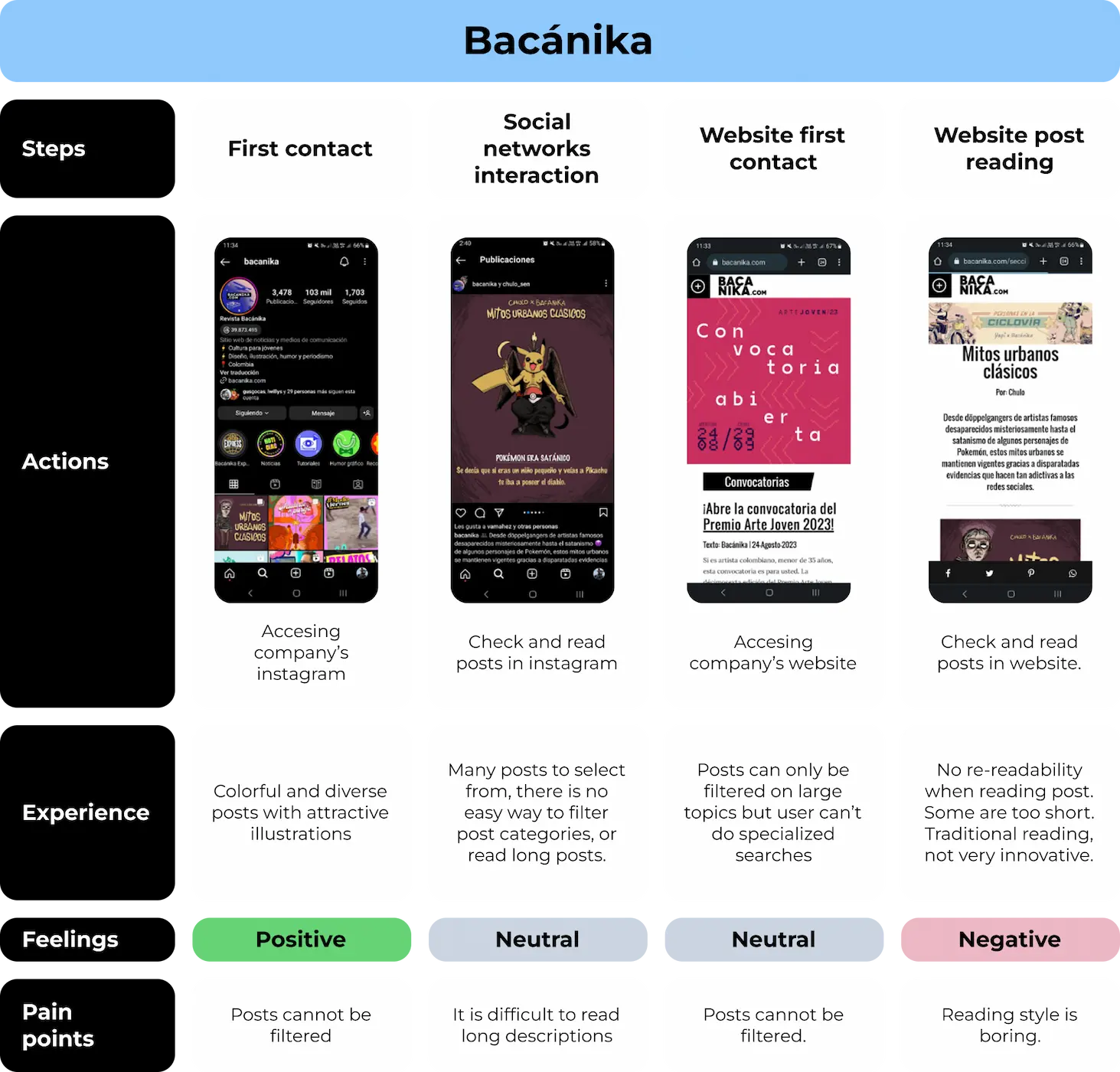
Opportunity
Website with elaborate filters to find relevant content easily; optimize content with innovative media focused on smart devices, create interactive stories or page scrolling with dynamic elements to make each reading unique and experience the story being told in a more engaging way.
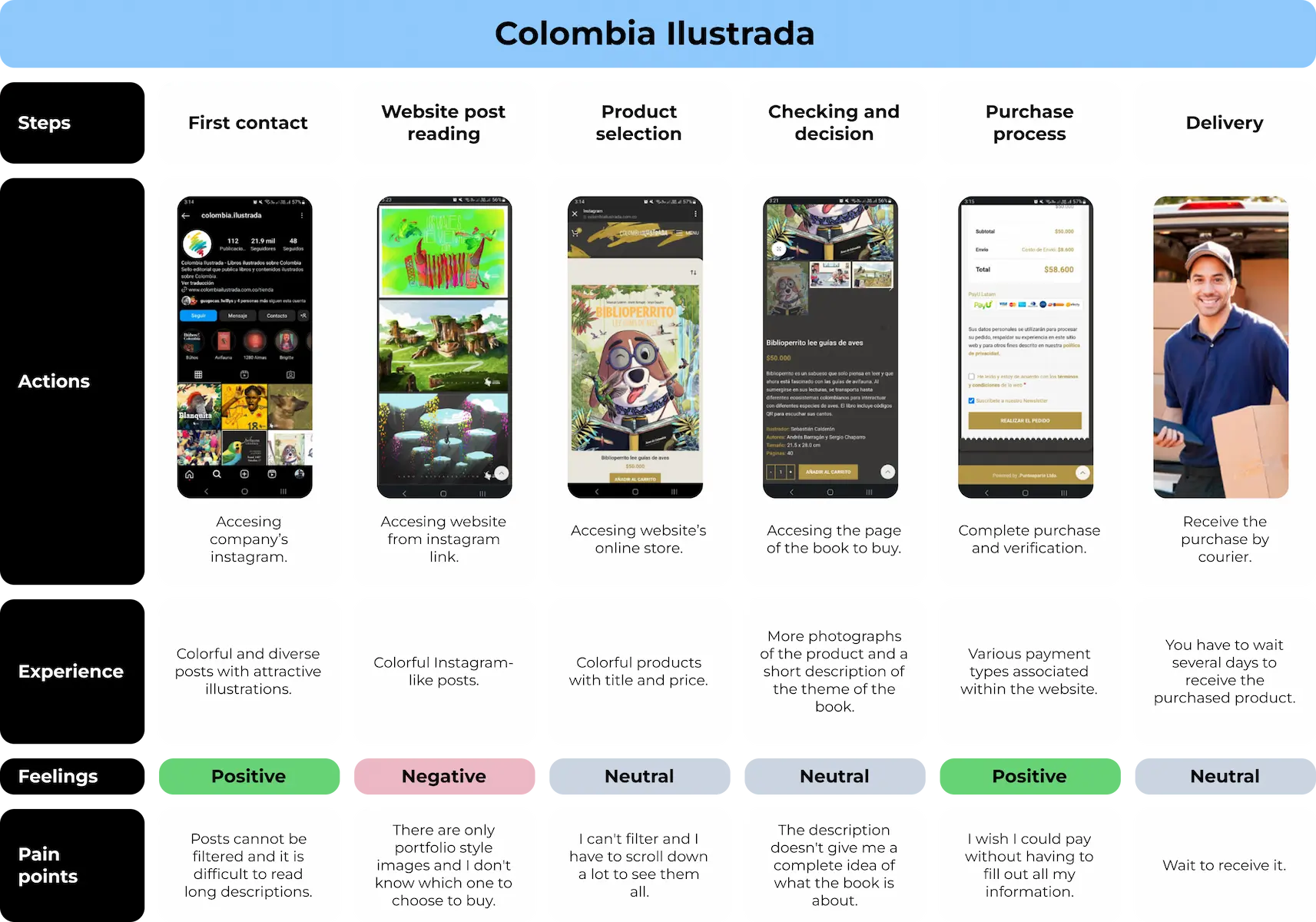
Opportunity
Website with elaborate filters to find the desired book; be able to show interactive stories of each book, to give a more faithful idea of what it is about, offer digital experiences on the same website both to facilitate the purchase, and so that those who made it can see and interact with the story digitally while They wait for the physical product.
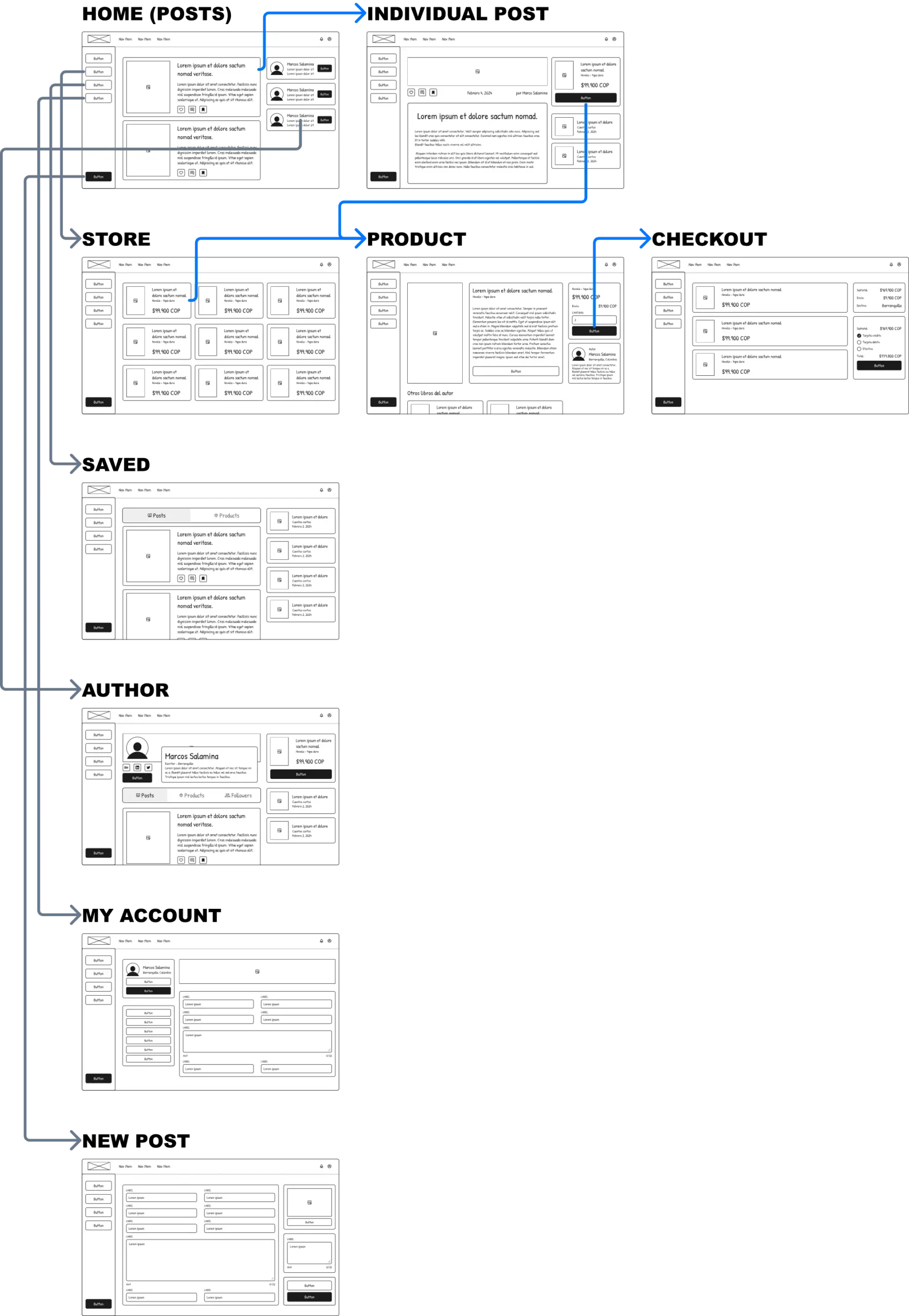
5. Wireframes & User Flow
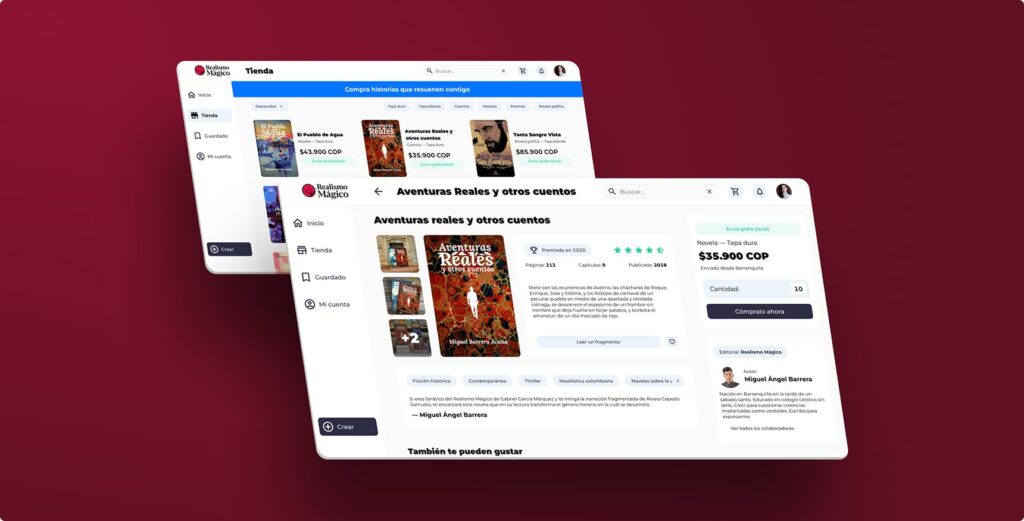
Focused on the Store-within-a-Story concept—ensuring the “Buy Book” call-to-action felt like a natural climax to the digital reading experience rather than an intrusive ad.
6. High-Fidelity Design & Prototyping
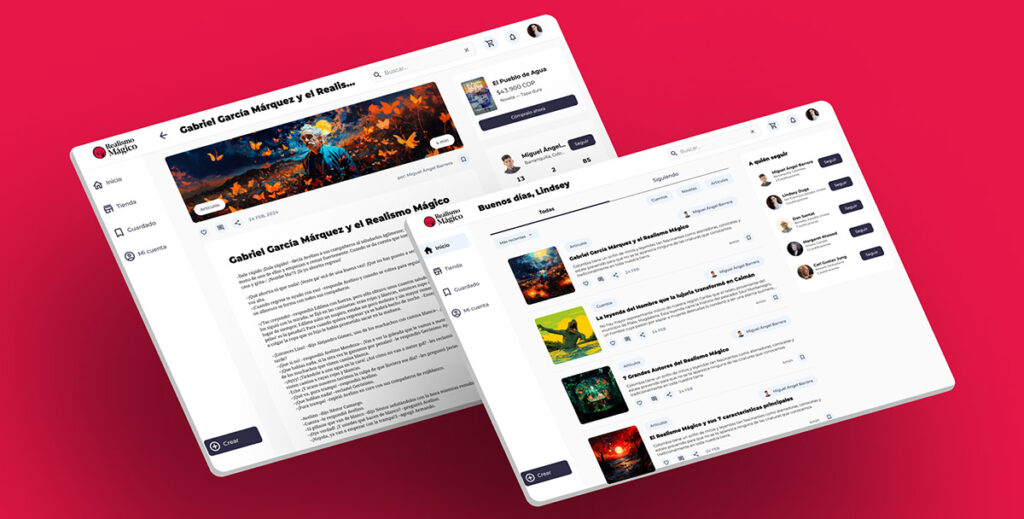
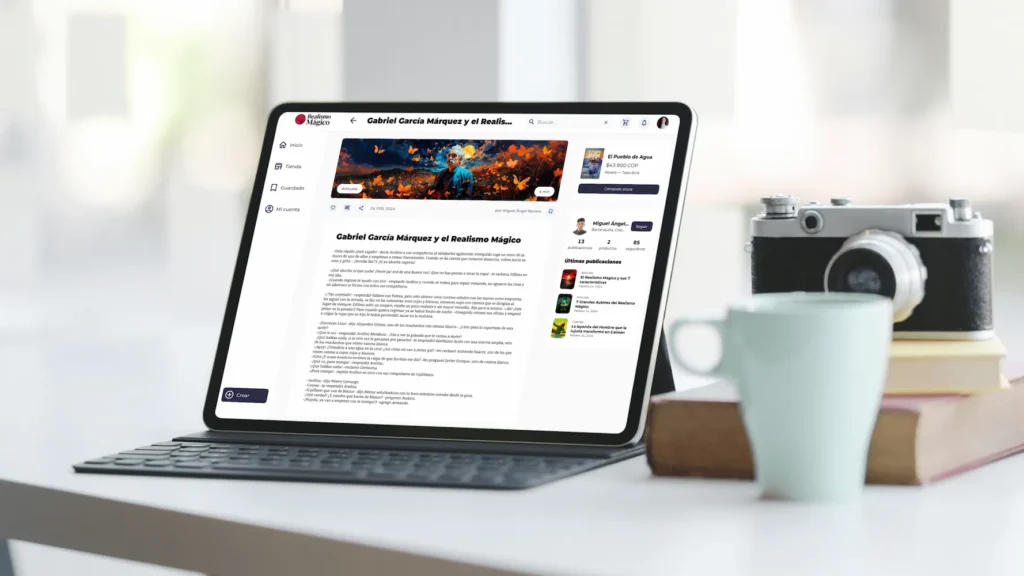
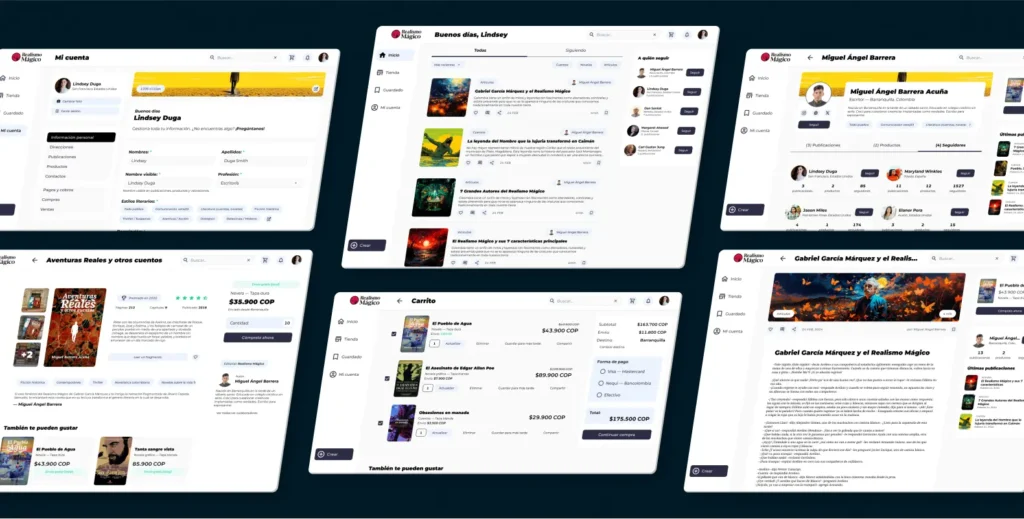
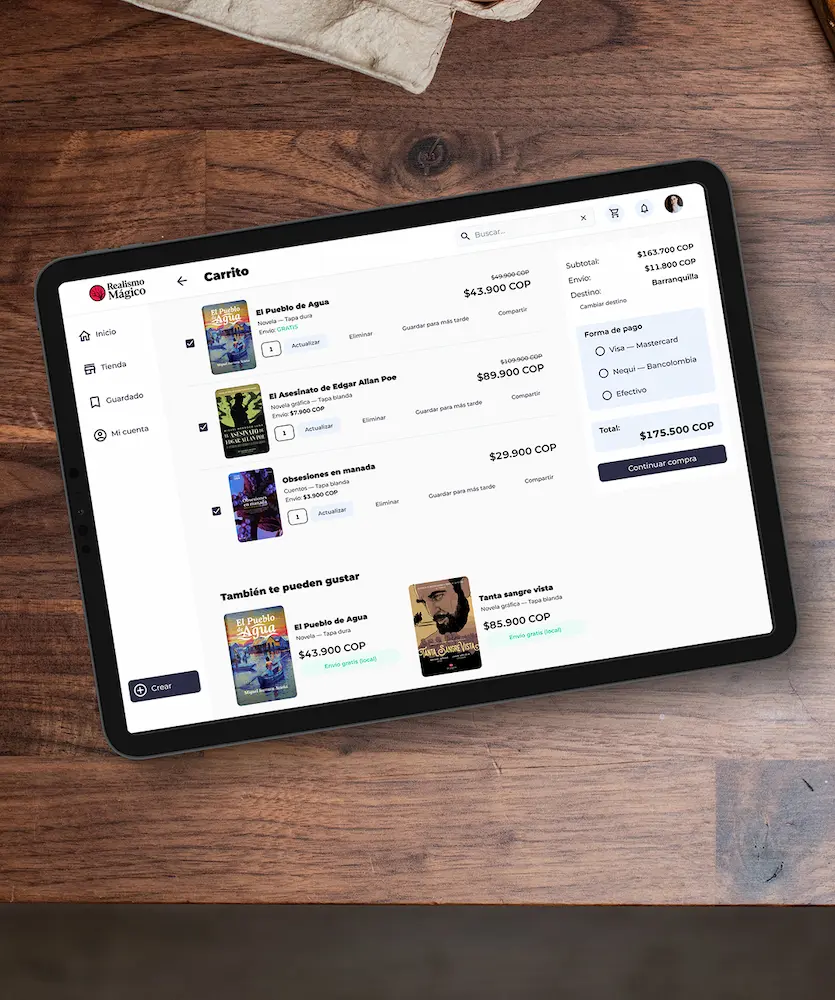
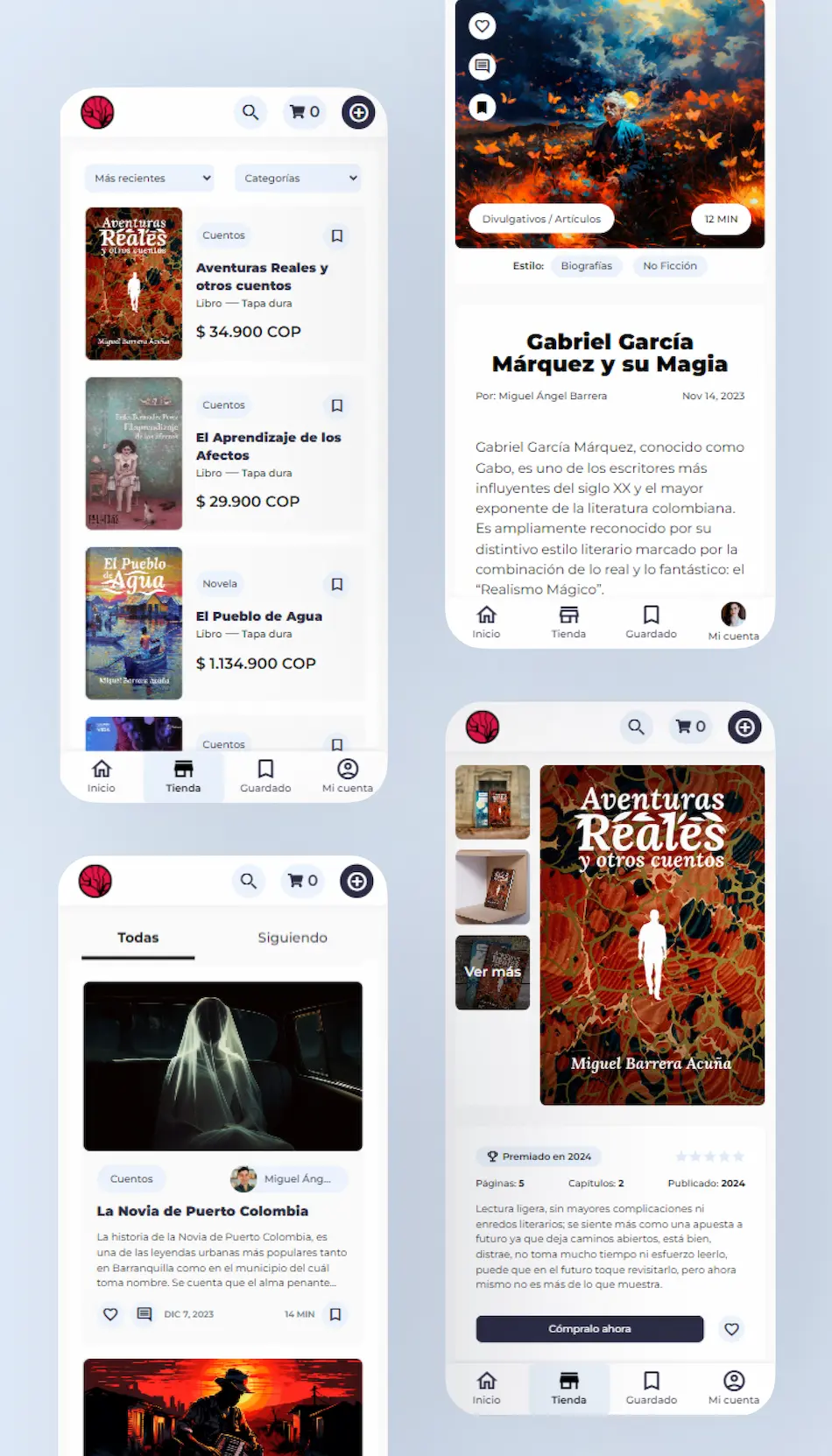
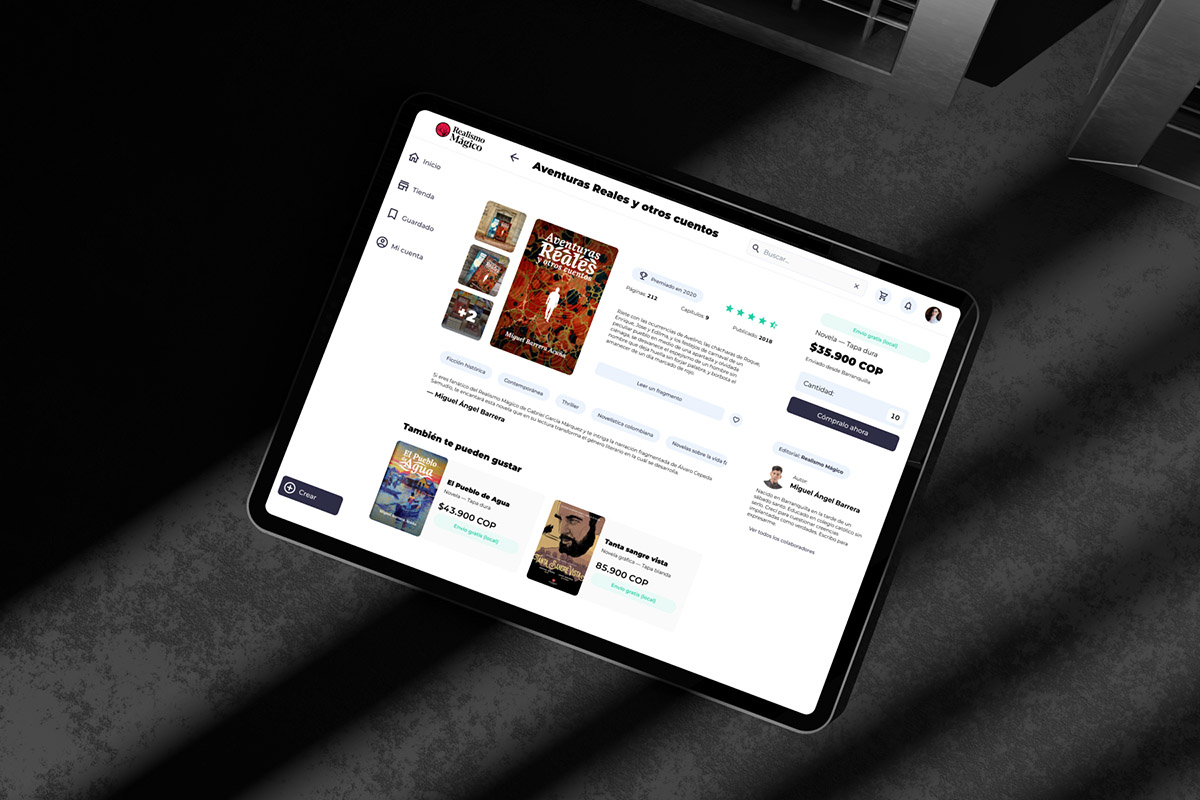
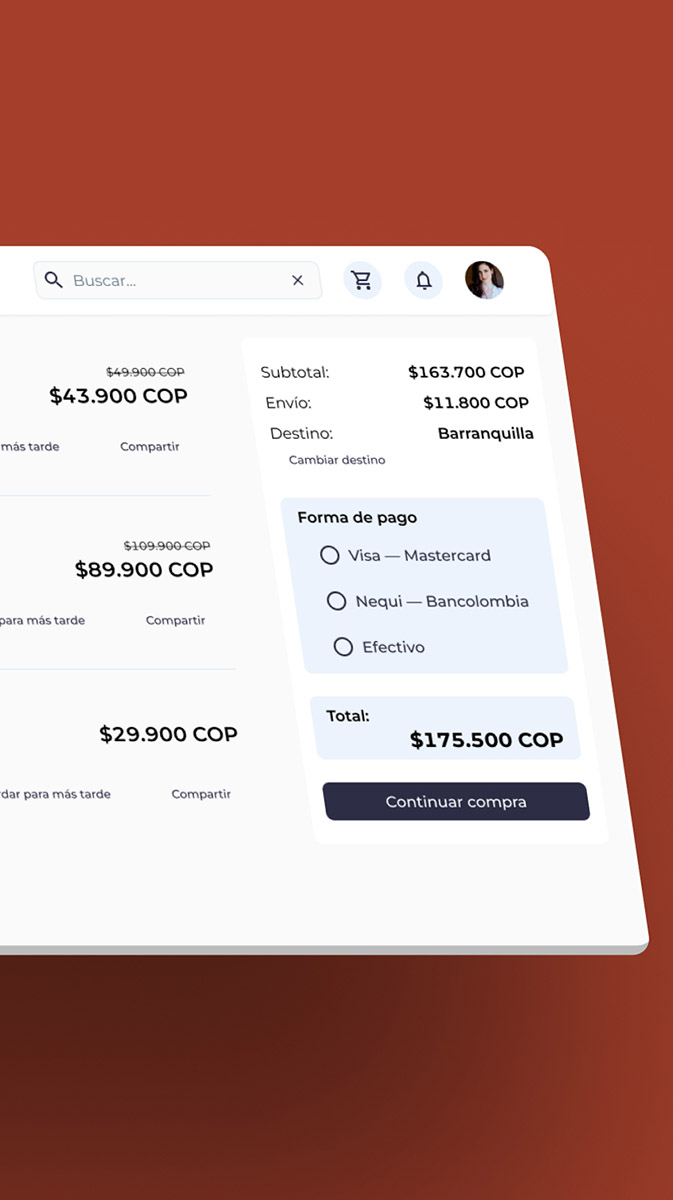
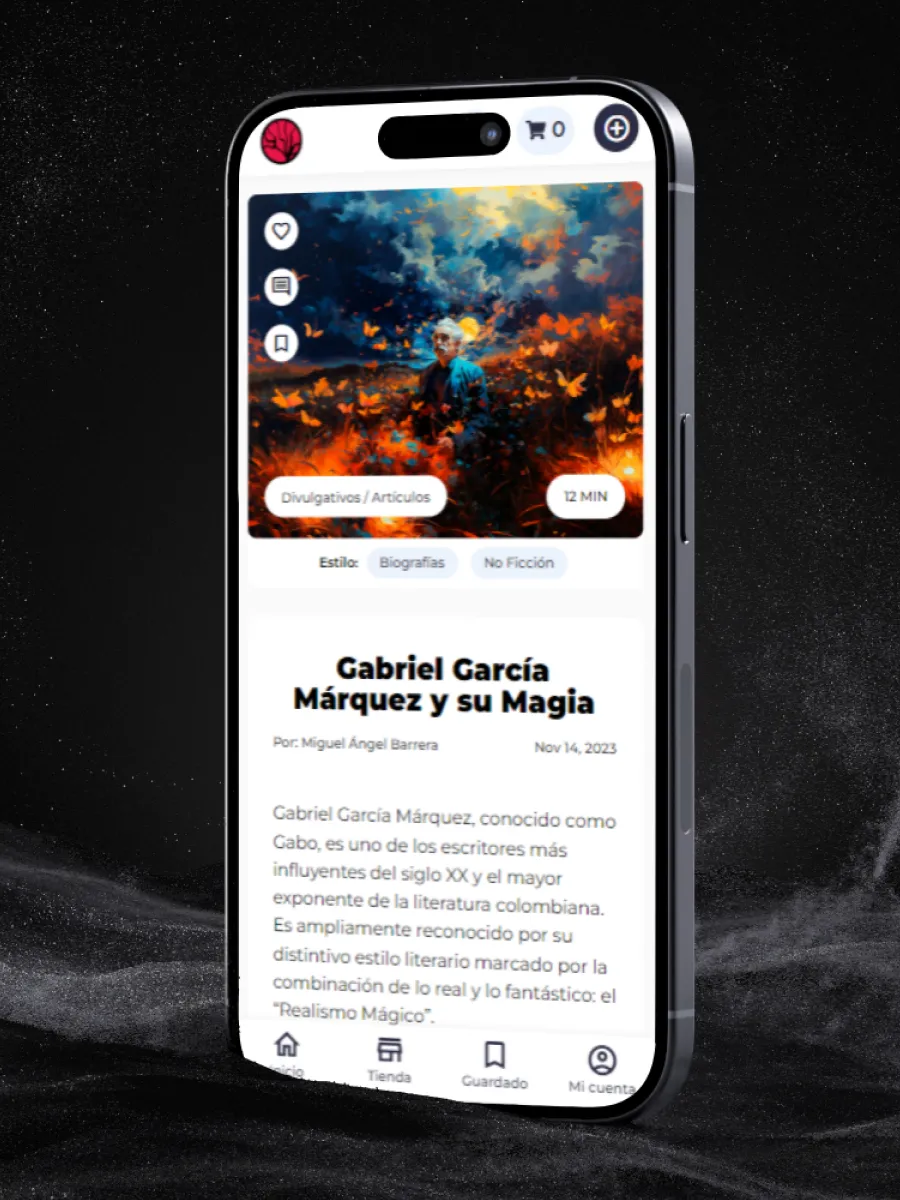
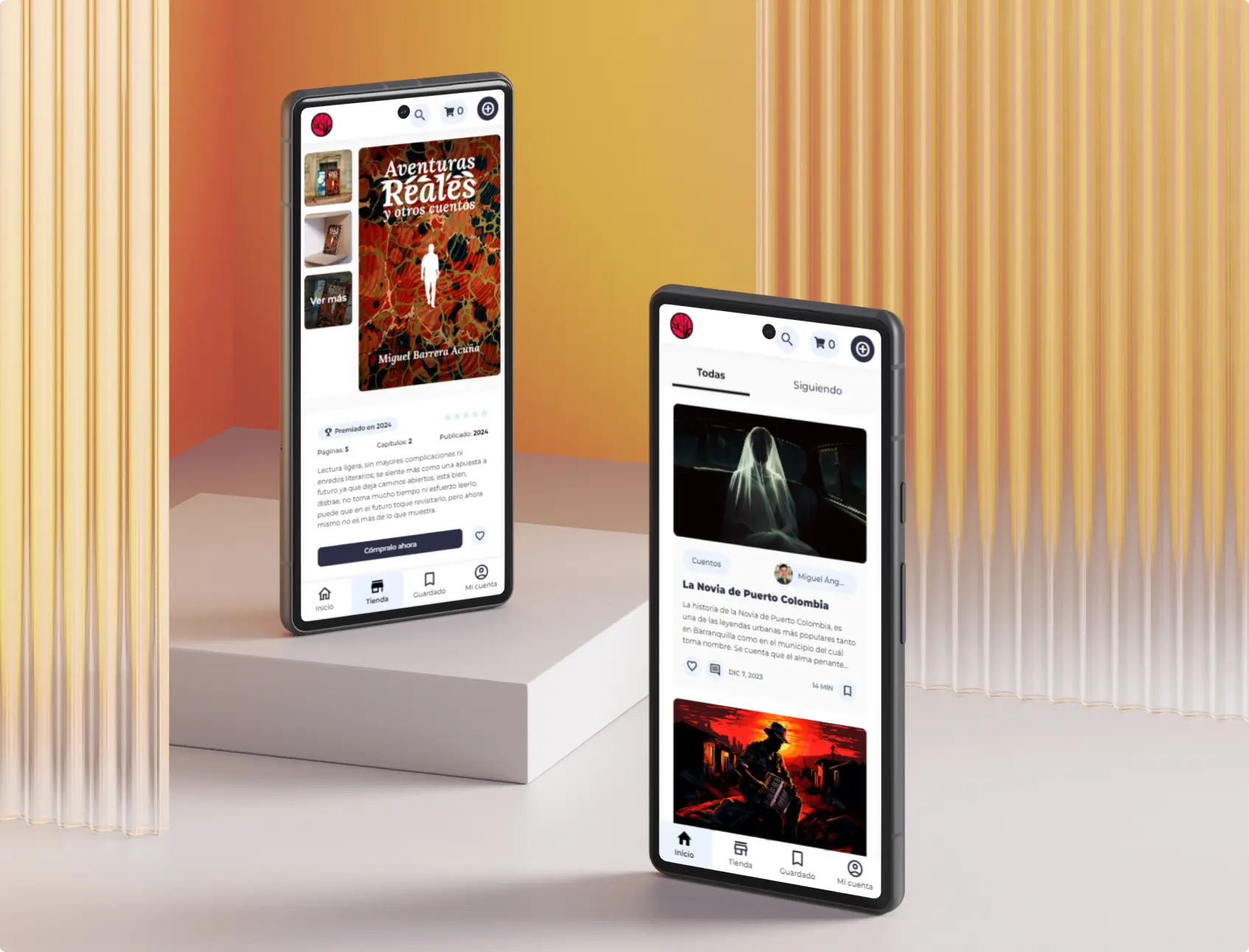
The v4 design was the strongest. Built in Figma, it simulated the reading experience with “Scrape to Reveal” and drag-and-drop story mechanics. The mobile experience was designed to feel like a game, not an e-reader. The “Buy Book” call-to-action was placed as a natural climax to the digital reading experience rather than an interruption.
7. Platform Build
The live site runs on WordPress with Elementor Pro and WooCommerce. The stack was chosen for speed of iteration and low cost. As a solo founder handling design, writing, illustration, development, and content simultaneously, every decision had to balance ambition with the reality of doing everything alone.
What Exists Today
The site is live at realismomagi.co. It contains 11 posts: 9 fiction stories and 2 SEO articles about magical realism as a genre. Stories span Drama/Fiction, Thriller/Fantasy/Myth, Adventure, and Education. The last story was published in February 2025, more than a year ago.
There is no active store. No about page. No contact page. YouTube, Twitter, and Instagram links exist in the footer with minimal activity.
The product vision (interactive stories, membership, physical products) remains intact. The execution stalled. The reason has nothing to do with design or technology.
Interactive Prototype (Web App)
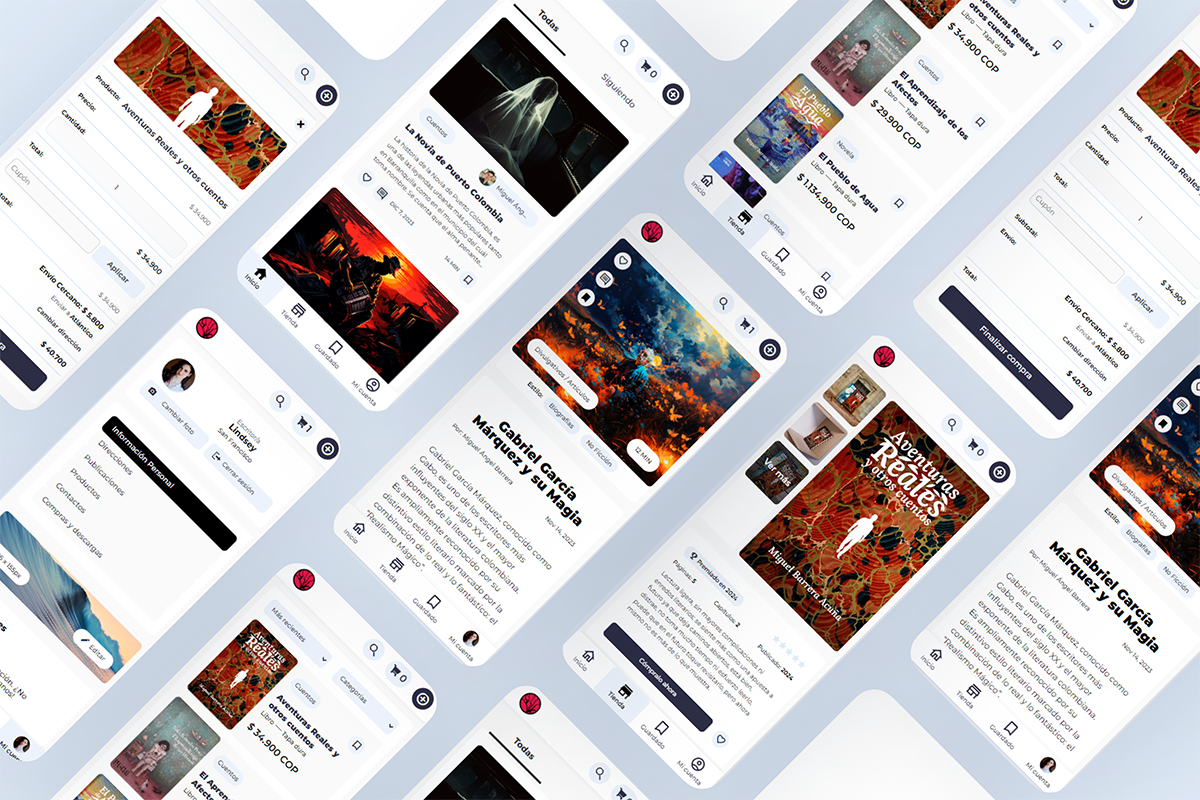
The e-magazine prototype is available for review, showcasing the reading experience, story navigation, and the planned interactive mechanics for the June 2026 relaunch.
Realismo Mágico is the project where I failed the most honestly. It’s also the one I refuse to let die. The product is ready. The stories are written. The only thing that was ever missing was someone willing to stand behind them and say: this is mine, and it matters. Wait for June 2026.
Why It Didn’t Work
Every version of Realismo Mágico failed for the same reason: I was afraid to be seen.
Not afraid to design. Not afraid to write. Not afraid to build websites or create illustrations or set up e-commerce. Afraid to distribute. Afraid to post on social media. Afraid to put my face and my voice behind the work and say “I made this, and I think you should read it.”
The marketplace version (v3) failed not because the platform was wrong, but because I didn’t generate content or do any active outreach. Only two writers joined. Nobody else was interested, because nobody knew it existed. The pattern repeated in every version: build something good, then hide behind it hoping people would find it on their own.
Two award-winning books. 600 copies printed. Approximately 18 sold. 150 given away. The books aren’t the failure. The silence around them is.
Goals for Relaunch
These are not results. They are targets for when Realismo Mágico relaunches in June 2026, informed by the lessons of seven years of building without distributing.
| AREA | TARGET |
| Content Volume | Reach 50 stories to build community and SEO foundation |
| Interactive Stories | Launch hover-audio, branching paths, and multiple endings |
| Membership Model | Free text stories / Paid interactive experiences |
| Physical Products | Books, vinyl figures, board games, wearables with Colombian Caribbean identity |
| Distribution | Active content creation, social media presence, and community building (the part that was always missing) |
What This Project Taught Me
Realismo Mágico is the most personal project in my portfolio, and therefore the one where the lessons cut deepest.
A great product with no distribution is invisible
I spent years perfecting the design, the brand, the technology, the stories. I never spent a single focused period building distribution. Four website versions. Zero content strategies. Zero social media campaigns. Zero outreach. The product was never the bottleneck. I was.
Fear disguises itself as perfectionism
Every redesign felt productive. A new version of the website, a new brand identity, a new feature set. But each rebuild was also a way to avoid the thing that scared me: publishing consistently, showing my face, saying “this is mine.” Perfectionism was the mask. Fear of being seen was what lived underneath.
The bridge to getting back
This is where my professional life and personal project connect directly. The 90 Days Plan I’m running for my design career (creating content on LinkedIn, Instagram, YouTube, and my blog) is not just about building a professional brand. It’s training. Training to speak publicly, create consistently, and lose the fear that paralyzed Realismo Mágico for seven years. Once I’ve built that muscle through my design content, I apply it to Realismo Mágico. The relaunch is planned for June 2026.
What my startup experience taught me about this failure
At Sell2Rent, I learned that the most important skill in startups isn’t design. It’s adaptability. At Realismo Mágico, I adapted the product four times. I never adapted myself. The product pivoted. I didn’t. That’s the lesson.
At Keller Offers, I learned what happens when communication fails between teams. At Realismo Mágico, the communication that failed was between me and the world. Same principle, different scale.
Learnings
The “Gamification Paradox” is real, but irrelevant without users
The interactive story concept works. Users don’t just want to read; they want to influence the narrative. By giving readers agency over the story, the perceived value of the physical book increases. But this insight remains theoretical for Realismo Mágico because we never had enough users to validate it at scale. Design insight without distribution data is just a hypothesis.
Barranquilla is a viable creative base
The thesis that Barranquilla offers high-level creative talent at lower costs than major hubs holds true. The cultural identity of the Caribbean coast is rich enough to anchor an entire brand. The city’s connection to Gabriel García Márquez and the tradition of magical realism isn’t just marketing. It’s a real creative advantage that I plan to leverage fully in the relaunch.
Building alone has a ceiling
I was the founder, writer, designer, developer, and illustrator. Every role, one person. That’s viable for building a prototype. It’s not viable for building a business. The relaunch will require what building before product-market fit taught me at Sell2Rent: focus on the one thing that moves the needle (distribution) and stop polishing the things that are already good enough (the product).